Back to the journal
Construction insights
How to Build a Successful Coworking Space in Bali
 By Jaya Construction Bali September 21, 2026
7 min read
By Jaya Construction Bali September 21, 2026
7 min read
By Jaya Construction Bali September 21, 2026
7 min read
By Jaya Construction Bali September 21, 2026
7 min read
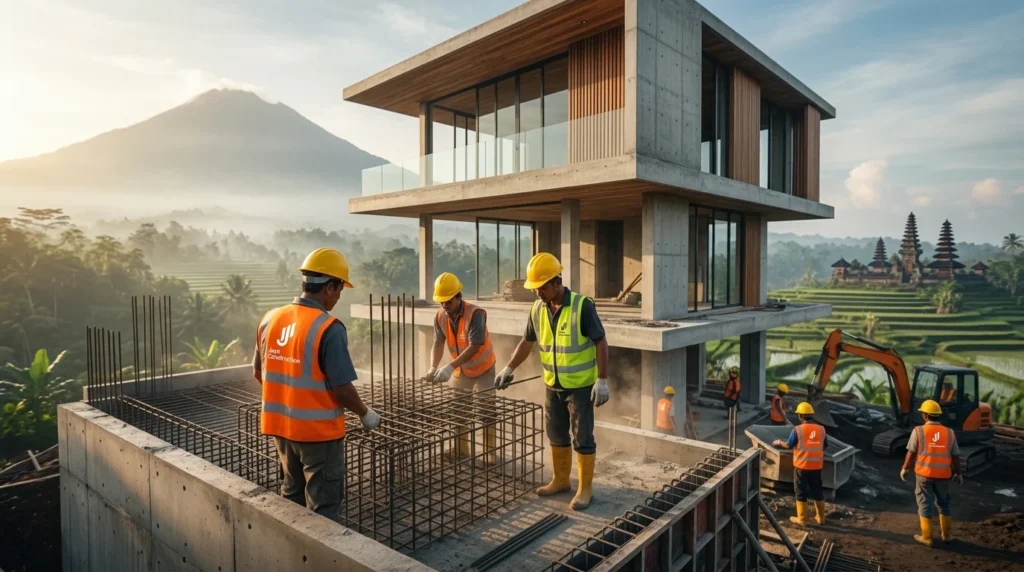
Bali has long transcended its reputation as a purely tropical paradise for tourists. It has morphed into a global epicenter for digital nomads, entrepreneurs, and remote workers, creating a fertile ground for a thriving coworking scene. The allure is undeniable: a low cost of living, stunning natural beauty, a vibrant culture, and a deeply embedded sense of community among the island’s transient professionals. For an entrepreneur, establishing a coworking space here isn’t just a business venture; it’s an entry into a dynamic ecosystem. However, the journey from a compelling idea to a successful, sustainable operation requires meticulous planning, cultural sensitivity, and a clear understanding of the unique Balinese context. This comprehensive guide will walk you through the essential steps of building a coworking space that is not only profitable but also adds genuine value to Bali’s unique professional landscape.
Before signing any leases or purchasing furniture, the most critical phase is defining your concept and conducting thorough market research. The coworking market in areas like Canggu, Ubud, and Seminyak is no longer nascent; it is competitive. Your space needs a distinct identity.
First, identify your niche. Are you targeting high-flying tech startups needing quiet, professional boardrooms? Is it a haven for freelancers and solopreneurs seeking a social, creative atmosphere? Perhaps you’re focusing on a specific industry, like sustainable businesses or wellness entrepreneurs. Your niche will dictate everything from your location and interior design to your pricing model and community events. Visit existing spaces. Pay for a day pass. Observe the ambiance, the member interactions, the amenities, and the pain points. Talk to digital nomads about what they feel is missing. Is there a lack of professional meeting rooms? Are most spaces too noisy? Is reliable high-speed internet inconsistent? Your unique value proposition will be built on solving these unmet needs.
The practicalities of setting up a business in Indonesia, while increasingly streamlined for foreign investment, require careful navigation. The first and most crucial step is establishing the correct legal entity. For a foreign investor, this typically means forming a Penanaman Modal Asing (PMA), a foreign-owned limited liability company. This process is best undertaken with the guidance of a reputable local notary and legal consultant. They will help you navigate the articles of association, secure the necessary approvals from the Investment Coordinating Board (BKPM), and ensure your business classification (KBLI code) accurately covers coworking and serviced office activities.
Your choice of location is a strategic decision intertwined with legality and your target market. Prime areas like Canggu or Ubud command higher rents but offer immediate access to your core demographic. Consider the building type. Renting a standalone villa or a traditional building offers charm but may involve complex negotiations and potential licensing hurdles. A more straightforward path is securing space in a commercial building designed for office or retail use. Regardless of the property, you must confirm the zoning permits commercial activity. A critical licensing item is the Pondok Wisata (tourist homestay) or similar commercial building permit, which your landlord should possess. Without this, obtaining your own operational licenses will be impossible.
Securing a reliable, high-speed internet connection is arguably the single most important operational investment. In Bali, redundancy is key. Do not rely on a single provider. Partner with a local ISP that offers dedicated, business-grade fiber lines and have a backup 4G/5G failover system. A single day of outage can irreparably damage your reputation in this competitive market.
The physical space is the canvas upon which your community will be built. Design must balance aesthetic appeal—the reason many are drawn to Bali—with functional work requirements. Natural light, ventilation, and a connection to the outdoors (perhaps through a lush garden courtyard) are non-negotiable for the Balinese context. However, this must be paired with acoustic planning.
Create distinct zones to cater to different work styles:
Your furniture and technology need to withstand heavy use while supporting good ergonomics. Invest in quality standing desks, adjustable chairs, and ample power outlets at every seat. The tropical climate means you must prioritize powerful yet energy-efficient air conditioning in closed rooms, while open-air areas should leverage natural breezes.
Smooth daily operations are the backbone of member satisfaction. Your team, particularly the community manager, is the most crucial hire. This person is the host, the mediator, the event planner, and the brand ambassador all in one. They must be bilingual, exceptionally personable, and adept at fostering connections.
Develop a tiered pricing model that reflects flexibility. Common options include:
Integrate a seamless booking system for meeting rooms and manage payments through a modern, automated platform to reduce administrative overhead.
True success in the coworking world hinges on community-building. Your programming calendar is as important as your Wi-Fi speed. Host regular, varied events: professional workshops (e.g., “SEO for E-commerce”), skill-sharing sessions, networking lunches, wellness activities (yoga, meditation), and purely social events like Friday sunset drinks or movie nights. Use platforms like Slack or Discord to create an online hub where members can collaborate, share tips, and organize their own meetups. Facilitate introductions between members with complementary skills. Your role is to be the catalyst for connection, transforming a collection of individuals into a supportive network.
Your marketing should begin long before your doors open. Build a visually stunning website that showcases your space’s design, amenities, and vibrant community. High-quality photography and video tours are essential. Leverage Instagram heavily—it’s the primary discovery channel for digital nomads. Use targeted hashtags like #CangguCoworking, #DigitalNomadBali, and #UbudOffice.
Establish an early-bird membership offer to generate initial cash flow and a core group of founding members. These early adopters will become your evangelists. Partner with local influencers in the nomad and travel space for authentic coverage. List your space on niche directories like Coworker.com and Digital Nomad community forums.
Your launch event should be an experience that embodies your brand—whether it’s a chic cocktail reception for the professional set or a laid-back beach cleanup followed by a BBQ for the eco-conscious community. The goal is to create a memorable first impression that sets the tone for your space’s culture.
Operating in Bali comes with a responsibility to the environment and local culture. Embrace sustainable practices to align with the values of many of your potential members. Implement strict waste reduction and recycling programs, eliminate single-use plastics, use energy-efficient appliances, and source office supplies responsibly. Consider powering part of your space with solar panels.
Furthermore, cultural integration is paramount. Respect local customs and holidays. Hire and train local staff, providing them with valuable skills and fair wages. Consider offering a small number of subsidized memberships to promising local entrepreneurs or artists, creating a bridge between the international and local communities. This isn’t just good ethics; it’s good business, fostering deeper roots and authentic respect for your host island.
Building a coworking space in Bali is a thrilling endeavor that blends entrepreneurship with lifestyle and community. The opportunity is vast, but so is the competition. Success is not guaranteed by a beautiful design or a prime location alone. It is forged through a clear, niche-focused vision; unwavering attention to legal and operational details, especially reliable infrastructure; and a dedicated, empathetic approach to fostering genuine human connection. You must be both a visionary architect and a vigilant operator, constantly listening to your members’ needs and adapting to the evolving digital nomad landscape. By respecting the island’s culture and environment, you can build more than a business; you can create a sustainable, thriving ecosystem that empowers the modern workforce and enriches the magical island of Bali. The blueprint is before you—now it’s time to build.
Share your site, plans, priorities, or questions. Our team can help turn early information into a practical construction path.