Back to the journal
Construction insights
Can Foreigners Own Property in Bali? The Legal Truth
 By Jaya Construction Bali July 14, 2026
7 min read
By Jaya Construction Bali July 14, 2026
7 min read
By Jaya Construction Bali July 14, 2026
7 min read
By Jaya Construction Bali July 14, 2026
7 min read
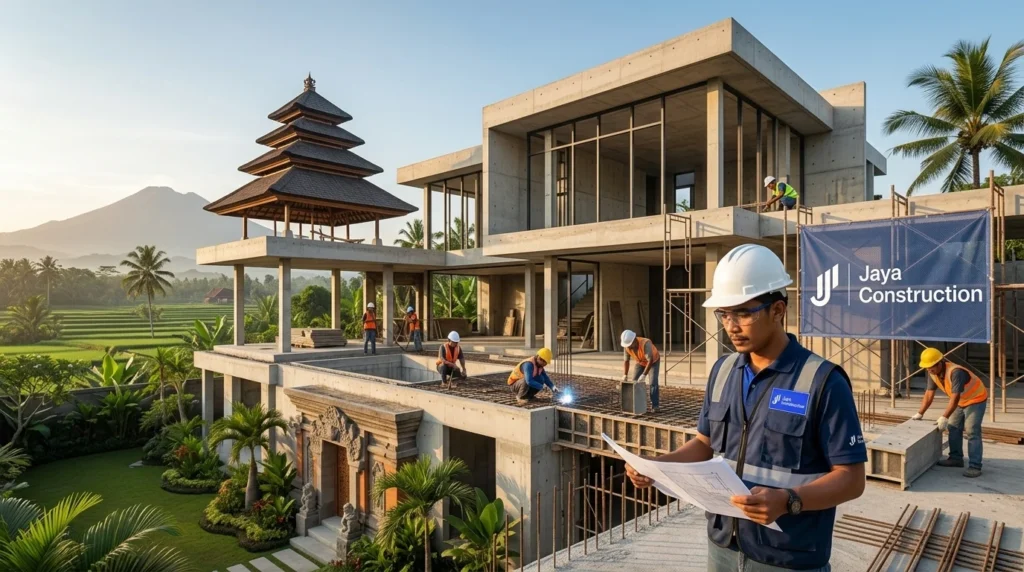
For decades, the allure of Bali—its lush landscapes, vibrant culture, and spiritual energy—has drawn people from across the globe, many of whom dream of owning a slice of this tropical paradise. The question of whether a foreigner can own property in Bali is one of the most frequently asked, yet misunderstood, aspects of investing or living on the island. The answer is not a simple yes or no, but a nuanced “it depends.” Indonesian property law is complex and historically favors its citizens, creating a labyrinth of regulations that foreigners must navigate. The core legal truth is that foreigners cannot own freehold land in Indonesia under their own name, but there are several established, legal pathways to secure property rights. This article will demystify the legal framework, explore the viable ownership structures, outline the significant risks, and provide a roadmap for those seeking to make Bali their home or investment.
Indonesia’s agrarian law, particularly the Basic Agrarian Law (UUPA) of 1960, is the foundation of property rights in the country. It distinguishes between various land titles, the most significant for this discussion being Hak Milik (Freehold Right). Hak Milik is the strongest and most complete form of land ownership and is exclusively reserved for Indonesian citizens and certain domestic legal entities like PT PMDN (Penanaman Modal Dalam Negeri).
This restriction often leads to panic and misinformation among aspiring foreign property owners. Stories of failed transactions, lost money, and legal battles circulate, often stemming from attempts to circumvent the law through illicit “nominee arrangements.” Understanding that these nominee schemes are illegal and void is the first critical step. They offer no legal protection and put the foreign investor’s entire asset at risk. Instead, the focus must be on the legitimate instruments provided by Indonesian law, which balance the state’s sovereignty with the need for foreign investment.
While direct freehold ownership is off the table, Indonesian law provides several formal mechanisms for foreigners to hold controlling interests in property. Each comes with its own set of rules, costs, and implications.
This is the primary and most straightforward title for foreigners. Hak Pakai grants the right to use and build upon land for a specified period, typically 30 years, with the possibility of renewals (usually two periods of 30 years each, totaling a potential 90 years).
Establishing a PT PMA is the most common route for foreigners looking to invest in commercial property, such as villas for rental, hotels, or restaurants. The company, as a domestic legal entity, can hold land under Hak Guna Bangunan (Right to Build) or even Hak Milik under specific, stringent conditions (like for industrial use).
This is not a title of ownership but a contractual right to use a property for an extended, defined period (commonly 25 to 30 years, with renewal options). The foreigner signs a lease agreement directly with the Indonesian landowner.
The path is fraught with pitfalls for the uninformed. Proceeding with caution and due diligence is not just advisable; it is essential.
The biggest and most dangerous trap is the nominee scheme, where an Indonesian “friend” or partner holds the Hak Milik certificate in their name, with a side agreement stating the foreigner is the true owner. Indonesian courts do not recognize these private agreements as valid, and the nominee is the legal owner in the eyes of the law. If the relationship sours, the nominee can sell the property, take out a loan against it, or simply refuse to return it, leaving the foreign investor with no legal recourse.
Before any money changes hands, a comprehensive due diligence process is mandatory. This involves:
Navigating this process alone is highly inadvisable. Key professionals include:
For a foreigner seriously considering a property acquisition, a structured approach is key.
So, can foreigners own property in Bali? The answer remains a qualified yes, but not in the way one might own a home in their native country. The Indonesian legal system does not permit outright foreign freehold ownership. However, it provides structured, legitimate pathways—primarily through Hak Pakai titles and PT PMA companies—that grant substantial and enforceable rights to use, build upon, and benefit from property.
The legal truth is one of cautious optimism. The dream of a Bali home or a successful investment is achievable, but it requires moving beyond the fantasies of quick deals and romantic handshake agreements. Success hinges on respecting the local legal framework, investing in professional guidance, and conducting exhaustive due diligence. By embracing the legitimate structures and understanding the associated risks and responsibilities, foreigners can secure their stake in Bali not just with hope, but with the full backing of the law. The key is to approach the process as a serious legal and financial endeavor, where knowledge and patience are the most valuable assets of all.
Share your site, plans, priorities, or questions. Our team can help turn early information into a practical construction path.