Back to the journal
Construction insights
Leasehold Land in Bali: What You Need to Know
 By Jaya Construction Bali July 13, 2026
12 min read
By Jaya Construction Bali July 13, 2026
12 min read
By Jaya Construction Bali July 13, 2026
12 min read
By Jaya Construction Bali July 13, 2026
12 min read
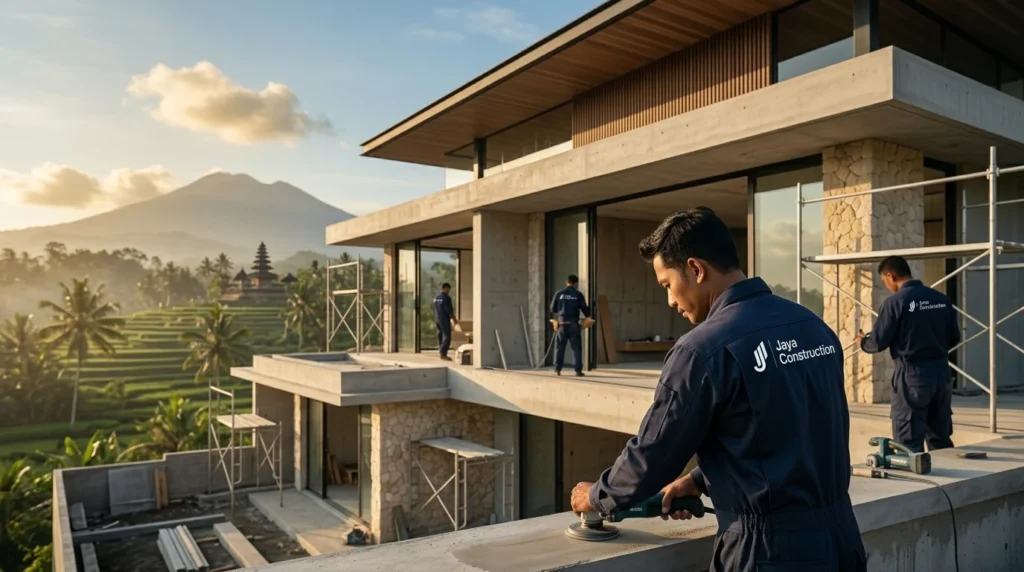
Bali has long captured the imagination of travelers, entrepreneurs, and investors from around the globe. With its lush rice terraces, vibrant culture, stunning coastlines, and a thriving tourism industry, it is no wonder that many foreigners dream of owning property on this tropical island. However, navigating the Indonesian real estate market — particularly when it comes to land ownership — can be a complex and sometimes confusing endeavor. Among the various property arrangements available, leasehold land remains the most accessible and popular avenue for foreign investors and residents looking to establish a foothold in Bali.
Understanding how leasehold works, what the legal implications are, and how to protect yourself from potential pitfalls is essential before committing to any property deal on the island. This comprehensive guide will walk you through everything you need to know about leasehold land in Bali, from the legal framework and practical steps to the advantages, risks, and expert tips for making a sound investment.
—
Before diving into the specifics of leasehold, it is important to understand the broader context of land ownership in Indonesia. The Indonesian land tenure system is governed by the Basic Agrarian Law of 1960 (Undang-Undang Pokok Agraria), which establishes several categories of land rights. These categories determine who can own land, how it can be used, and under what conditions it can be transferred.
The main types of land title in Indonesia include:
Hak Milik (Right of Ownership): This is the strongest form of land title in Indonesia and is essentially freehold ownership. However, Hak Milik is exclusively reserved for Indonesian citizens. Foreigners cannot hold this title under any circumstances, and attempts to circumvent this restriction — such as using a local nominee — are illegal and carry significant risks.
Hak Pakai (Right to Use): This title grants the holder the right to use and occupy land. It is available to foreigners under specific conditions, such as for residential purposes and for a limited duration (typically 30 years, with extensions possible). However, it is subject to various regulatory requirements and minimum investment thresholds.
Hak Guna Bangunan (Right to Build): This right is typically granted to companies — including foreign-owned companies (PT PMA) — allowing them to construct and own buildings on state-owned or other people’s land for a set period, usually 30 years with the possibility of a 20-year extension.
Hak Sewa (Right to Lease): This is the leasehold arrangement and is the focus of this article. It allows individuals or entities — including foreigners — to lease land from a landholder for an agreed period and price.
Given that Hak Milik is off-limits to foreigners, and Hak Pakai and Hak Guna Bangunan come with their own sets of bureaucratic hurdles and requirements, leasehold (Hak Sewa) has become the go-to arrangement for the vast majority of foreign property seekers in Bali.
—
Leasehold land, in the Balinese context, refers to a contractual agreement between a landowner (the lessor) and a lessee (the tenant), in which the lessee pays an agreed sum — either as an upfront lump sum, annual payments, or a combination — for the right to use and occupy the land for a specified period. The lease term in Bali typically ranges from 15 to 30 years, though some agreements can extend to 50 years or even longer, depending on negotiations between the parties.
Under a leasehold arrangement, the lessee does not own the land itself. Instead, they hold a contractual right to use the land and any structures built upon it during the lease period. When the lease expires, all rights to the land and, in many cases, to the buildings on it revert to the landowner — unless a renewal agreement has been negotiated in advance.
It is critical to understand this distinction. Leasehold is not ownership. You are essentially renting land for an extended period. While this might seem less desirable than outright ownership, leasehold offers several practical advantages — particularly for foreigners who are legally prohibited from holding freehold titles.
—
The legal foundation for leasehold agreements in Indonesia is rooted in both the Basic Agrarian Law and the Indonesian Civil Code (Kitab Undang-Undang Hukum Perdata). Leasehold is classified as a contractual right rather than a registered land right, which means it is primarily governed by the terms of the lease agreement itself rather than by a government-issued certificate.
This distinction is important for several reasons:
Recent regulatory developments have also impacted the leasehold market. In 2023 and 2024, the Indonesian government introduced new regulations aimed at tightening oversight of foreign property arrangements in Bali and across the country. These regulations include stricter enforcement against the use of nominee arrangements for Hak Milik land, increased scrutiny of foreign property transactions, and new requirements for reporting and documentation. Staying informed about these evolving regulations is essential for anyone considering a leasehold investment.
—
The process of acquiring leasehold land in Bali typically follows several stages:
Most foreign buyers begin their search through local real estate agents, online property platforms, or personal connections within the expat community. Bali’s property market is highly dynamic, with offerings ranging from bare land plots to fully developed villas and commercial properties. Working with a reputable agent who has experience serving foreign clients and who understands the local market is invaluable during this stage.
Once a suitable property is identified, the next step is to negotiate the lease terms with the landowner. Key negotiation points include:
Once terms are agreed upon, a formal lease agreement is drafted — typically by a notary or a lawyer. This document should clearly outline all rights and obligations of both parties, include dispute resolution mechanisms, and be written in both Indonesian (Bahasa Indonesia) and English. Having the agreement notarized by a licensed Indonesian notary adds a layer of legal protection and is considered essential.
After the agreement is signed and notarized, the lessee makes the agreed payment (or begins the payment schedule) and takes possession of the property. At this point, it is common to conduct a formal handover, during which the physical condition of the property is documented and any existing structures or improvements are itemized.
—
Understanding the full financial picture is crucial when entering a leasehold arrangement in Bali. The costs extend beyond the lease price itself.
Lease prices in Bali vary enormously depending on location, land size, existing infrastructure, and market demand. Prime locations in Seminyak, Canggu, or Ubud command significantly higher prices than more rural or less developed areas. As a general guideline, leasehold prices in popular tourist areas can range from $50,000 to $500,000 or more for a standard villa plot with a 25- to 30-year lease.
Engaging a notary and potentially a lawyer will incur fees, typically ranging from 1% to 2.5% of the total lease value. While this may seem like an unnecessary expense, skimping on legal oversight is one of the most common and costly mistakes foreign buyers make.
Depending on the structure of the transaction, various taxes may apply, including income tax on the landowner (which is sometimes negotiated to be the lessee’s responsibility) and stamp duty on the lease agreement. Consulting with a tax advisor who understands both Indonesian and your home country’s tax obligations is advisable.
If you are leasing bare land and planning to build, construction costs are a major consideration. Building a villa in Bali can range from $800 to $2,500 per square meter, depending on the quality of materials, design complexity, and contractor. It is important to factor in that any structures built on leased land revert to the landowner at the end of the lease — which brings us to the question of depreciating value.
—
Despite its limitations, leasehold offers several compelling advantages for foreign investors in Bali:
Leasehold is the most straightforward and legally accessible way for foreigners to secure property in Bali. It does not require establishing a corporate entity (though some choose to do so), and the process is relatively quick compared to other ownership structures.
Because you are not purchasing the land itself, leasehold prices are substantially lower than equivalent freehold prices. This makes Bali’s property market accessible to a wider range of investors and expatriates.
Leasehold agreements can be tailored to suit a wide range of needs — from short-term arrangements for seasonal use to long-term leases for permanent residence or commercial operations. The negotiable nature of lease terms allows for creative and mutually beneficial arrangements.
Many leasehold investors in Bali generate significant income by renting out their properties to tourists through platforms like Airbnb, Booking.com, or through local property management companies. Given Bali’s year-round tourism demand, a well-located and well-managed villa can yield attractive returns over the lease period.
—
While leasehold has clear advantages, it is not without risks. Being aware of these challenges upfront can help you make informed decisions and avoid costly mistakes.
Perhaps the most significant drawback of leasehold is that your interest in the property diminishes over time. As the lease approaches its expiration date, the remaining value of the lease decreases — much like a wasting asset. This can make it difficult to sell or transfer the lease as it nears its end, and potential buyers will factor the remaining lease term into their offer price.
While many lease agreements include renewal clauses, there is no guarantee that the landowner will agree to renew the lease — or that they will offer renewal at a reasonable price. Land values in Bali have risen dramatically over the past two decades, and a landowner may demand significantly higher renewal fees or choose not to renew at all. Securing a clear and binding renewal clause in the original agreement is one of the most important steps a lessee can take.
Disputes between lessees and landowners are not uncommon in Bali. Issues can arise over maintenance responsibilities, unauthorized use of the property, noise complaints, boundary disagreements, or changes in the landowner’s personal or financial circumstances (including inheritance disputes if the landowner passes away). Having a comprehensive lease agreement and maintaining a good relationship with the landowner can mitigate — but not entirely eliminate — these risks.
Not all land in Bali has clear and undisputed ownership. Some parcels may have overlapping claims, unresolved inheritance matters, or incomplete documentation. Conducting thorough due diligence — including verifying the land certificate at the local BPN office — is absolutely essential before entering into any leasehold agreement.
—
Given the complexities and risks outlined above, the following practical tips can help you navigate the leasehold process with greater confidence:
Never rush into a leasehold agreement without verifying the legitimacy of the land title, the identity and legal standing of the landowner, and any encumbrances or disputes related to the property. This includes checking the land certificate at the National Land Agency (BPN), confirming the land zoning with local authorities, and investigating whether the property is subject to any government plans (such as road construction or environmental protections).
A licensed Indonesian notary (Notaris) plays a critical role in drafting, reviewing, and notarizing your lease agreement. In addition, engaging a lawyer who specializes in Indonesian property law — and who has experience working with foreign clients — can provide an additional layer of protection and advocacy.
Your lease agreement should clearly specify the terms and conditions for renewal, including the process for initiating renewal, the pricing mechanism (fixed price, market rate, percentage increase, etc.), and the timeline for negotiations. Similarly, the agreement should address what happens in the event of early termination — by either party — and how any compensation or damages will be calculated.
Bali’s zoning regulations can be surprisingly complex, and the permitted use of a piece of land may not always align with your intentions. For example, land zoned for agricultural use may not be suitable for commercial development. Confirming the zoning classification with local authorities before signing a lease agreement can prevent costly and frustrating surprises down the road.
In Balinese culture, personal relationships and mutual respect are highly valued. Maintaining a positive and respectful relationship with your landowner can pay dividends — particularly when it comes time to negotiate lease renewals or address any issues that arise during the lease period.
Because leasehold is inherently temporary, it is wise to have a plan for what happens when the lease expires. Will you seek a renewal? Will you walk away? Will you sell the lease (and any improvements) to a third party? Understanding your options and planning accordingly can help you maximize the value of your investment over the lease period.
—
For those weighing their options, understanding the fundamental differences between leasehold and freehold is essential:
Many foreign investors in Bali use leasehold as a practical stepping stone — enjoying the benefits of property use and rental income during the lease period while keeping an eye on evolving regulations that may one day offer new pathways to ownership.
—
Leasehold land remains the most viable and popular route for foreigners looking to invest in or reside on property in Bali. It offers a practical balance of accessibility, affordability, and flexibility, making it possible for a wide range of investors to participate in one of Southeast Asia’s most dynamic real estate markets.
However, leasehold is not without its complexities and risks. The temporary nature of the arrangement, the potential for disputes, and the ever-changing regulatory landscape all demand careful planning, thorough due diligence, and professional legal guidance. By understanding the legal framework, negotiating strong lease terms, and maintaining healthy relationships with landowners, foreign investors can make the most of their leasehold investment and enjoy all that Bali has to offer.
Whether you are looking to build a dream villa, start a hospitality business, or simply secure a tropical retreat for the years ahead, leasehold land in Bali — when approached with knowledge and caution — can be a rewarding and life-changing investment.
Share your site, plans, priorities, or questions. Our team can help turn early information into a practical construction path.