Back to the journal
Construction insights
Can Foreigners Legally Build a House in Bali?
 By Jaya Construction Bali July 12, 2026
12 min read
By Jaya Construction Bali July 12, 2026
12 min read
By Jaya Construction Bali July 12, 2026
12 min read
By Jaya Construction Bali July 12, 2026
12 min read
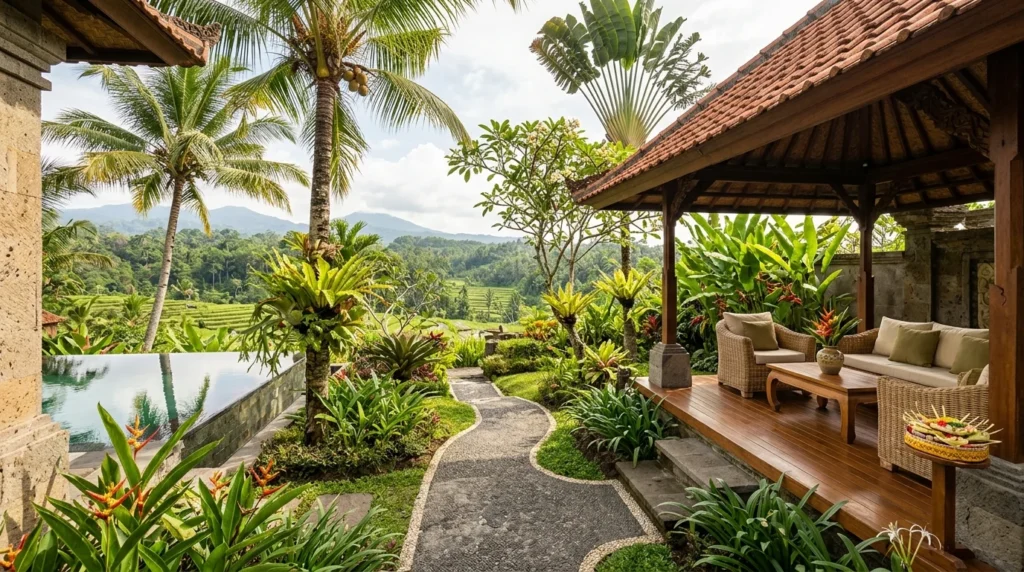
Bali, often called the Island of the Gods, has long captured the hearts and imaginations of people around the world. With its lush rice terraces, vibrant culture, stunning coastlines, and warm tropical climate, it is no surprise that thousands of foreigners dream of calling this Indonesian paradise home. Whether it is the lure of a slower pace of life, the appeal of investing in a booming real estate market, or simply the desire to wake up to the sound of crashing waves every morning, building a house in Bali represents an exciting prospect for many.
However, the question that stops most would-be homeowners in their tracks is a critical one: Can foreigners legally build a house in Bali? The answer is not a simple yes or no. Indonesian land and property laws are complex, and navigating them requires patience, thorough research, and professional guidance. This article provides a comprehensive exploration of the legal framework, ownership structures, permits, practical considerations, and potential pitfalls involved in building a house in Bali as a foreigner.
—
To understand whether foreigners can build a house in Bali, it is essential to first understand the foundational principles of Indonesian land ownership law. Indonesia’s agrarian law, primarily governed by Agrarian Law No. 5 of 1960 (Undang-Undang Pokok Agraria), establishes the framework for all land rights in the country. The law was created to protect Indonesian citizens and ensure that land ownership remains primarily in the hands of Indonesian nationals.
Under this legal framework, there are several categories of land rights, but the most relevant to foreign investors and homebuilders are:
This is the strongest form of land title in Indonesia and is equivalent to freehold ownership in many Western countries. Hak Milik can only be held by Indonesian citizens. This is perhaps the single most important restriction that foreign buyers need to understand. A foreigner cannot own land outright under Hak Milik, no matter how much money they are willing to invest or how long they have lived in the country.
This is a right granted over state-owned or Hak Milik land that allows the holder to construct and own buildings on the land for a specific period. Hak Guna Bangunan is typically granted for an initial period of 30 years and can be extended for another 20 years, with the possibility of renewal for an additional 30 years. This right can be obtained by both Indonesian citizens and legal entities, including foreign-owned companies operating in Indonesia.
Hak Pakai is another land right that is particularly relevant to foreigners. It grants the holder the right to use and derive benefit from land owned by another party (usually the state or an individual). Hak Pakai can be granted to foreigners who reside in Indonesia and hold a valid visa or permit. The duration of Hak Pakai varies depending on the type of land and the status of the holder, but it is generally granted for 30 years with the possibility of extension.
This is a leasehold arrangement where the foreigner leases the land from the owner for an agreed-upon period and rental amount. While this does not constitute ownership, it is a commonly used arrangement for foreigners who want to build on Balinese land without engaging in more complex ownership structures.
—
Given the restrictions on direct land ownership by foreigners, several legal pathways have emerged that allow foreigners to build a house in Bali. Each pathway has its own advantages, disadvantages, and levels of legal protection.
Historically, many foreigners in Bali used a nominee arrangement to purchase land. This involved having an Indonesian citizen hold the Hak Milik title on behalf of the foreigner, with a separate private agreement outlining the foreigner’s actual ownership rights. While this practice was widespread for years, it is important to note that nominee arrangements are illegal under Indonesian law.
The Indonesian government has cracked down on nominee structures in recent years. If discovered, the arrangement can be voided, and the foreigner risks losing their investment entirely. The Indonesian nominee could also face legal consequences. Despite the fact that some foreigners still use this method, it carries enormous legal risk and is strongly discouraged by legal professionals.
One of the most secure and widely recommended ways for foreigners to build a house in Bali is by establishing a foreign-owned company known as a PT PMA (Penanaman Modal Asing). A PT PMA is an Indonesian limited liability company that has foreign shareholders. Under Indonesian law, a PT PMA can obtain Hak Guna Bangunan (Right to Build) over land in Indonesia.
There are several steps involved in establishing a PT PMA:
Using a PT PMA to build a house provides a legally sound structure that protects the foreign investor’s interests. However, it comes with ongoing compliance requirements, including annual reporting, tax filings, and maintaining proper corporate governance. The costs of setting up and maintaining a PT PMA can also be significant, making this option more suitable for larger investments.
Since the introduction of Government Regulation No. 103 of 2015, individual foreigners who reside in Indonesia and hold valid immigration documents (such as a KITAS or KITAP visa) can obtain Hak Pakai (Right to Use) over certain types of land. This right allows foreigners to build a house on the land and use it as a residence.
The key requirements for obtaining Hak Pakai as a foreigner include:
While Hak Pakai is a viable option for many foreigners, it is worth noting that the land is not truly owned by the foreigner. The underlying title remains with the Indonesian landowner or the state, and the foreigner’s rights are limited to usage. This can create challenges in terms of resale value and long-term security.
Another common approach for foreigners in Bali is to enter into a leasehold agreement with an Indonesian landowner. Under this arrangement, the foreigner leases the land for a period of 25 to 30 years (sometimes longer, with extension clauses) and builds a house on the leased property.
Leasehold arrangements are relatively straightforward and do not require the establishment of a company. However, they offer less security than PT PMA or Hak Pakai structures. At the end of the lease term, the buildings and improvements on the land typically revert to the landowner unless the lease is renewed. The terms of renewal are often uncertain and subject to negotiation, which can put the foreigner in a vulnerable position.
—
Regardless of the ownership structure chosen, building a house in Bali requires obtaining the necessary permits and approvals from local authorities. The building permit process in Indonesia is governed by national regulations but is administered at the local (regency or city) level.
The Izin Mendirikan Bangunan, commonly known as IMB, is the primary building permit required to construct any building in Indonesia. To obtain an IMB in Bali, the applicant must submit architectural plans, land ownership documents, and various other supporting documents to the local building permit office (Dinas Penataan Ruang).
The IMB process typically involves the following steps:
It is worth noting that the IMB process in Bali can be time-consuming and bureaucratic. Delays of several months are not uncommon, and the process may require multiple revisions to the building plans. Working with an experienced local architect or building consultant can help streamline the process and reduce the risk of costly delays.
In 2021, the Indonesian government introduced the Persetujuan Bangunan Gedung (PBG) as a replacement for the traditional IMB system under the Omnibus Law on Job Creation. The PBG is intended to simplify and modernize the building approval process. Under the new system, applicants submit their building plans through an online portal, and the review process is designed to be more transparent and efficient.
However, the transition from the IMB to the PBG system has been gradual, and some local authorities in Bali may still operate under the old system. Foreigners planning to build in Bali should consult with local experts to understand the current requirements in their specific area.
—
Beyond the legal framework, there are several practical considerations that foreigners should keep in mind when planning to build a house in Bali.
Bali is a diverse island with vastly different areas offering different lifestyles and investment potential. Popular areas for foreign homeowners include:
Each area has its own zoning regulations, land prices, and building restrictions. It is essential to research the specific area thoroughly before committing to a purchase or lease.
Building a house in Bali is not something that should be attempted without professional guidance. At a minimum, foreigners should engage:
The cost of building a house in Bali can vary enormously depending on the location, size, quality, and design of the property. However, foreigners should be aware of several costs that are often overlooked in initial budgets:
A realistic budget should include a contingency of at least 10-20% to cover unexpected expenses, which are virtually inevitable in any construction project in Bali.
Building in Bali also comes with unique cultural considerations. Balinese Hindu culture is deeply integrated into daily life, and construction projects are expected to respect local customs and traditions. This may include:
Failing to respect local customs can lead to community opposition, delays, and even the halting of construction projects.
—
While building a house in Bali can be a rewarding experience, it is not without risks and challenges. Foreigners should be aware of the following potential pitfalls:
The most significant risk for foreigners is entering into an illegal or poorly structured ownership arrangement. As mentioned earlier, nominee arrangements are illegal and can result in the loss of the investment. Even legitimate structures like PT PMA and Hak Pakai require careful legal planning to ensure compliance with Indonesian law.
The construction industry in Bali is not as tightly regulated as in many Western countries. Quality control can be inconsistent, and some builders may cut corners to reduce costs. Engaging a reputable contractor and conducting regular site inspections can help mitigate this risk.
The property market in Bali can be volatile, influenced by factors such as tourism trends, government policy changes, and global economic conditions. Foreigners who build a house in Bali with the expectation of guaranteed returns on investment should be prepared for market fluctuations.
Bali faces significant environmental challenges, including water scarcity, waste management issues, and the impact of rapid development on natural landscapes. Foreigners building in Bali should consider the environmental impact of their project and adopt sustainable building practices where possible.
—
So, can foreigners legally build a house in Bali? The answer is a qualified yes. While Indonesian law prohibits foreigners from owning land outright under Hak Milik, there are several legal pathways—including PT PMA companies, Hak Pakai rights, and leasehold arrangements—that allow foreigners to build and enjoy a home in Bali.
The key to success lies in thorough research, careful legal planning, and professional guidance. Working with qualified local professionals is not just advisable; it is essential. The legal and bureaucratic landscape in Indonesia can be complex and opaque, and cutting corners can lead to devastating financial and legal consequences.
For those willing to invest the time, money, and effort to do things the right way, building a house in Bali can be an incredibly fulfilling experience. There is something deeply satisfying about creating a home in one of the most beautiful and culturally rich places on earth—a place where ancient traditions meet modern aspirations, where the natural beauty is breathtaking, and where the warmth of the Balinese people makes every foreigner feel welcome.
The dream of building a home in Bali is achievable. It just requires the right approach, the right partners, and a healthy dose of patience and perseverance.
Share your site, plans, priorities, or questions. Our team can help turn early information into a practical construction path.