Back to the journal
Construction insights
Basic, Medium, or Luxury: Choosing Your Bali Build Spec
 By Jaya Construction Bali June 27, 2026
9 min read
By Jaya Construction Bali June 27, 2026
9 min read
By Jaya Construction Bali June 27, 2026
9 min read
By Jaya Construction Bali June 27, 2026
9 min read
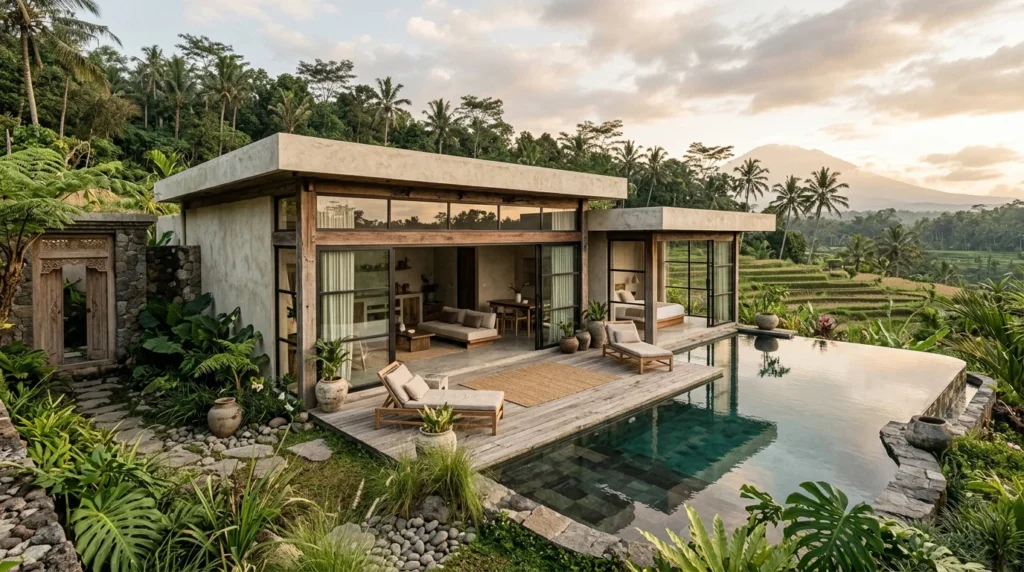
Building a villa in Bali is a dream for many, offering a unique blend of investment opportunity and a personal tropical retreat. However, the journey from vision to reality is paved with critical decisions, none more fundamental than choosing your build specification. This choice, often categorized as Basic, Medium, or Luxury, is the architectural DNA of your project, dictating everything from construction cost and aesthetic appeal to long-term maintenance, rental yield, and overall lifestyle quality. It’s not merely about choosing between cheap and expensive; it’s about aligning your investment with your goals, budget, and understanding of Bali’s distinct construction environment. This guide delves into the intricacies of each spec level, providing the clarity needed to make an informed and confident choice.
Before you select tiles or finalize floor plans, defining your build specification is paramount. In Bali’s construction landscape, these tiers represent standardized packages offered by developers and contractors, each with a predefined set of materials, finishes, and systems. The right choice prevents budget overruns, ensures quality control, and sets clear expectations. A basic spec might be perfect for a high-volume rental in a tourist hotspot, a medium spec offers a balanced home for personal use with solid rental potential, and a luxury spec caters to an uncompromising lifestyle or a premium, exclusive rental market. Understanding the tangible differences between them is your first step toward a successful build.
The basic spec, sometimes called a “standard” or “developer’s basic” build, focuses on functionality, cost-effectiveness, and efficient use of space. It is the entry point into the Bali property market and is common in high-density villa developments targeting the budget to mid-range rental segment.
Core Characteristics and Materials:
At this level, the primary construction material is often standard concrete block (batako) or brick, rendered and painted. The roof structure is typically a lightweight steel frame with a clay or concrete tile roof. The design is generally simpler, with smaller room sizes and a more efficient, compact layout to maximize land use. You will find standard-sized single-pane aluminum windows and doors.
Finishes and Fixtures:
Finishes are selected for durability and cost rather than luxury. Floors are often finished with simple homogeneous tiles or basic ceramic. Kitchen counters are laminated particleboard, and cabinets are functional but lack custom detailing. Bathrooms feature locally manufactured fittings—ceramic sinks, basic showers, and standard toilets. Lighting is recessed spotlights with simple switches. The overall aesthetic is clean and minimalist, relying on paint color rather than material texture for visual interest.
Infrastructure and Systems:
The electrical system is adequate for basic needs but may have fewer power outlets and limited capacity for high-load appliances. Plumbing uses standard PVC piping. Air conditioning units are split-type systems of a reputable but cost-effective brand, typically installed in bedrooms only. There is usually no built-in hot water system; instead, point-of-use instant water heaters are installed at each shower. This spec usually includes a basic garden with local plants, a simple tiled pool, and a standard perimeter wall.
Ideal For:
Key Consideration: While the upfront cost is attractive, basic builds may incur higher long-term maintenance costs as lower-grade materials can wear out faster. They also offer the least personalization, with very little room to upgrade finishes without significant cost.
The medium spec represents the sweet spot for many investors and homeowners in Bali. It strikes a deliberate balance between quality, comfort, aesthetics, and cost, allowing for a significant step up in living experience without venturing into the realm of extreme luxury pricing.
Core Characteristics and Materials:
Construction moves beyond standard block. Many medium-spec villas utilize a combination of reinforced concrete columns and beams with high-quality plastered brick walls. Imported materials start to play a role—for example, high-quality hardwood for doors, window frames, or structural accents. Roofing may include higher-grade clay tiles or even some metal roofing for modern designs. Architectural detail increases, with features like high ceilings, better spatial flow between indoor and outdoor areas, and more thoughtful integration of natural light and ventilation.
Finishes and Fixtures:
This is where the upgrade is most visible. Floors are often finished with polished cement, engineered wood, or higher-quality porcelain tiles that mimic natural stone. Kitchens feature semi-custom cabinetry with soft-close hinges, stone countertops (like granite or engineered quartz), and brand-name appliances. Bathrooms become a highlight, with well-designed vanities, rain showers, quality fittings from brands like Grohe or Kohler, and often a mix of natural stone and designer tiles. Lighting incorporates dimmer switches and more varied fixtures, including feature pendant lights.
Infrastructure and Systems:
The infrastructure is more robust. The electrical system is designed with more circuits and outlets, often pre-wired for smart home features or sound systems. Plumbing uses higher-grade pipes and fittings. Air conditioning is often a multi-split system or a ducted system for greater efficiency and quieter operation throughout the main living areas and bedrooms. A centralized solar water heater or large gas storage system provides consistent hot water to all taps. The landscaping is more designed, with mature plants, integrated lighting, and a pool that may include features like a jacuzzi or vanishing edge.
Ideal For:
Key Consideration: The medium spec offers the best customization potential within a controlled budget. It allows you to make meaningful choices about finishes that reflect your style without requiring a limitless budget. It is also the most appealing spec for a broad market segment, balancing resale value and rental potential.
The luxury spec is for those who accept no compromises. It is defined by the use of premium global materials, cutting-edge technology, bespoke craftsmanship, and a design philosophy that prioritizes experiential living. This is not just a house; it is a curated environment.
Core Characteristics and Materials:
Construction uses the highest grade materials throughout. Structural integrity is paramount, with superior engineering. Walls may incorporate natural stone, feature timber, or exquisite custom stonework. Roofing systems might include advanced waterproofing and insulation. Large-format, high-performance glass (often double-glazed for thermal and acoustic insulation) from brands like Vitrocsa or Sky-Frame dissolves the boundary between inside and out. Architecture is often bespoke, featuring iconic design elements, complex geometries, and seamless integration with expert landscape architecture.
Finishes and Fixtures:
Every surface is a statement. Floors are of polished natural stone (travertine, marble), exquisite solid hardwood, or designer large-format porcelain. Kitchens are fully custom, often featuring imported cabinetry, integrated high-end appliances from brands like Sub-Zero, Wolf, or Miele, and countertops of natural marble or ultra-premium composites. Bathrooms are spa-like sanctuaries, with freestanding sculptural tubs, walk-in rain showers with multiple body jets, wall-hung toilet systems, and fixtures that are works of art in themselves from brands like Dornbracht or Fantini. All hardware, from door handles to cabinet pulls, is meticulously selected.
Infrastructure and Systems:
Technology and systems are fully integrated. A whole-home automation system (like Control4, Crestron, or Savant) controls lighting, climate, entertainment, security, and curtains from a touch panel or smartphone. Electrical systems are over-specified with CAT6/7 cabling, dedicated circuits for audio-visual rooms, and integrated UPS for critical areas. Climate control is a zoned, centralized VRF system for perfect temperature management. Hot water is provided by a high-capacity system with recirculation pumps for instant hot water at every tap. Security may include smart locks, comprehensive CCTV, and integrated alarm systems. Landscaping is a tropical masterpiece, often with a vanishing edge infinity pool, outdoor living rooms with built-in kitchens, water features, and sophisticated ambient lighting.
Ideal For:
Key Consideration: The luxury spec has the highest initial cost, both in construction and design fees (architect, interior designer, landscape architect). Maintenance is also more specialized and expensive. However, it delivers an unparalleled living experience and occupies a niche market that can be highly profitable if executed correctly.
Choosing your spec should be a strategic decision, not an emotional one. Ask yourself:
Choosing between a basic, medium, or luxury build spec is the cornerstone of your Bali construction journey. The basic spec is your functional, cost-effective gateway. The medium spec is the intelligent, balanced choice for most, offering quality, comfort, and market appeal. The luxury spec is for those seeking an unrivaled living experience and a statement piece of architecture.
There is no universally “best” option—only the best option for you, your financial plan, and your lifestyle aspirations. By thoroughly understanding what each tier entails—from the concrete foundations to the final light switch—you move from a hopeful dreamer to an informed project director. Take the time to visit show villas of each spec level in Bali. Talk to owners and property managers about their experiences. This due diligence will allow you to select a specification that not only builds a beautiful structure but also builds a successful and fulfilling future on the Island of the Gods.
Share your site, plans, priorities, or questions. Our team can help turn early information into a practical construction path.