Back to the journal
Construction insights
How Material Choices Change Your Bali Build Cost
 By Jaya Construction Bali June 25, 2026
8 min read
By Jaya Construction Bali June 25, 2026
8 min read
By Jaya Construction Bali June 25, 2026
8 min read
By Jaya Construction Bali June 25, 2026
8 min read
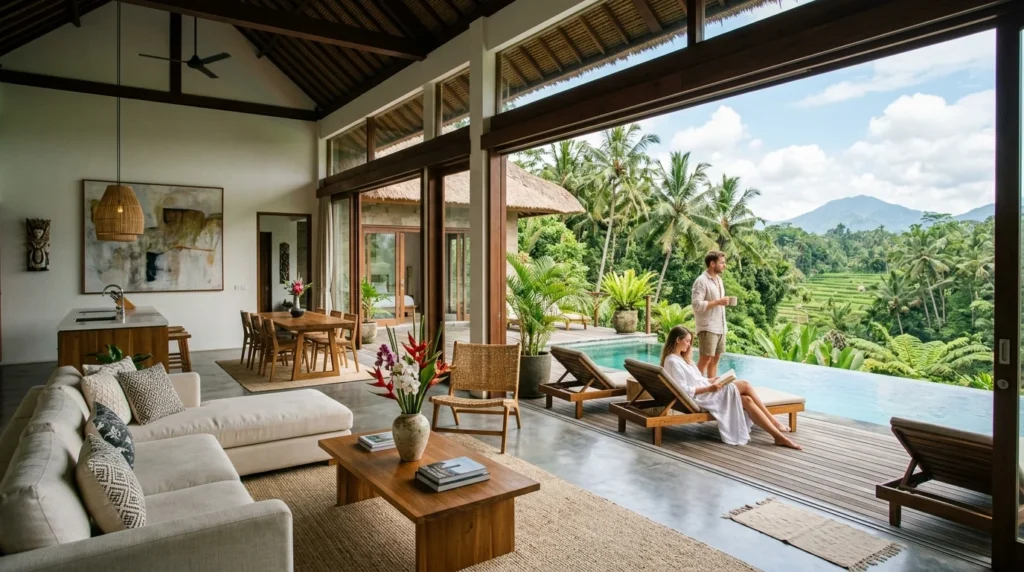
Building a home or villa in Bali is a dream for many, but the journey from vision to reality is often paved with complex financial decisions. While location, size, and architectural design are critical cost drivers, the materials you select are the very DNA of your project’s budget. In Bali’s unique context—a blend of tropical climate, local artistry, and evolving construction standards—your material choices are not merely aesthetic decisions; they are profound economic ones that will determine the final price tag, long-term durability, and even the environmental footprint of your build. Understanding this intricate relationship is the first and most crucial step in smart, cost-effective construction.
When planning a Balinese build, the initial focus is often on the purchase price of materials like timber, stone, and fixtures. However, the true cost equation is far more nuanced. It encompasses a spectrum of factors: availability in the local market, transportation logistics to often-remote plot locations, the specialized labor required for installation, and the material’s performance in Bali’s humid, salty-air environment. A seemingly inexpensive material can become a costly liability if it requires constant maintenance or fails prematurely. Conversely, a higher initial investment in a durable, appropriate material can yield significant savings over the building’s lifecycle. This article delves deep into how each category of building material—from the foundation to the finishing touches—directly influences your overall construction expenditure in Bali.
The skeleton of your building represents a major portion of the budget. The choice here is between imported, standardized systems and locally adapted methods.
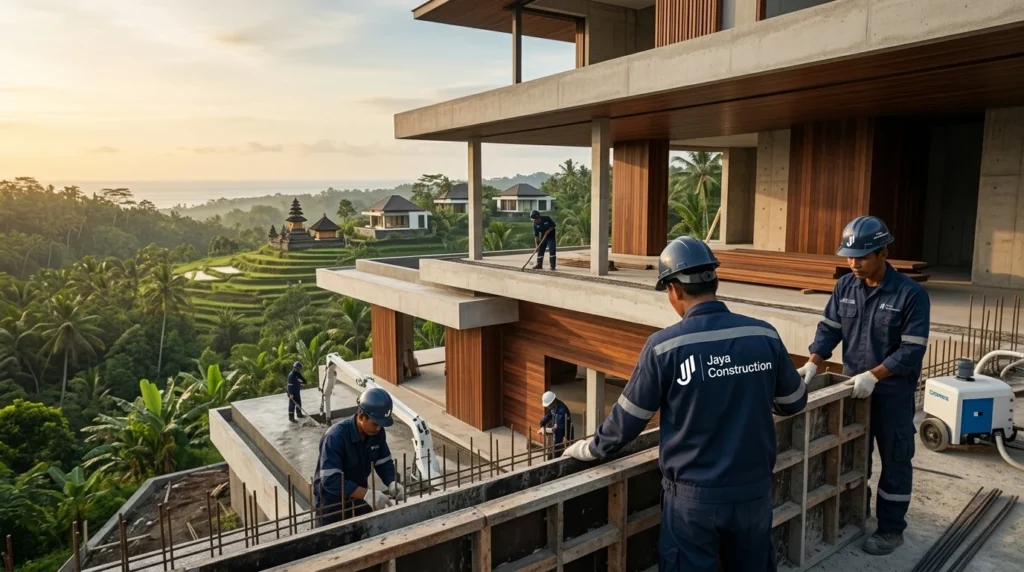
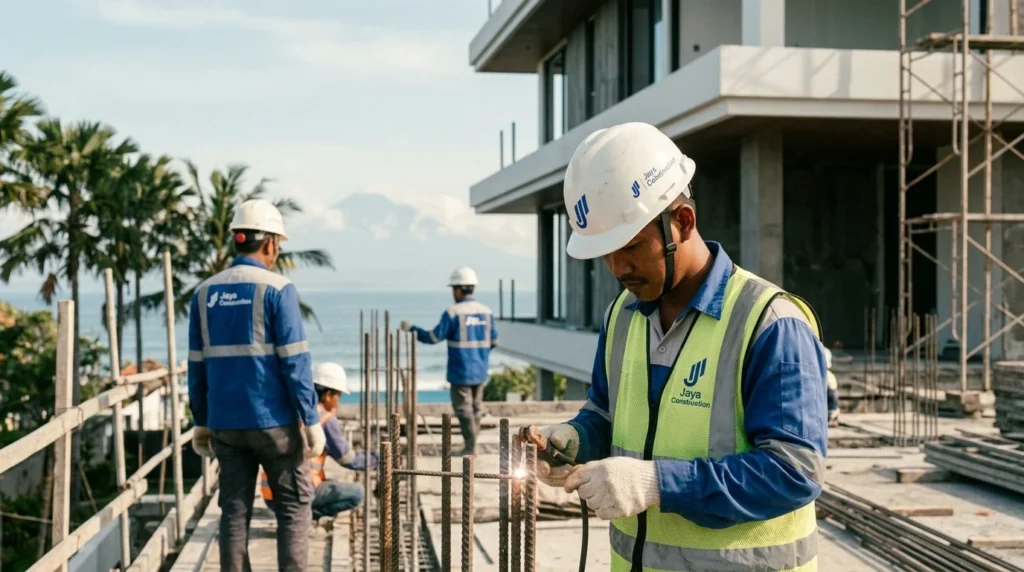
Concrete and Steel: This is the most common modern method in Bali for multi-story structures and villas seeking a contemporary, open-plan design. The cost is highly sensitive to global steel prices and local cement supply. While offering immense strength and design flexibility, it is generally a more expensive option. The need for skilled formwork carpenters, rebar specialists, and concrete pump trucks (for remote sites) adds significant labor and logistics costs. However, its longevity and resistance to termites and rot provide excellent long-term value.
Timber Frame: Traditional Balinese structures and many modern interpretations use timber, often merbau or ulin (ironwood) for its durability. The cost is volatile, dictated by sustainable harvesting quotas, chain-of-custody certification, and the immense popularity of certain species. While locally sourced wood can be cost-effective, over-harvesting has led to stricter regulations and higher prices for legally sourced, high-quality hardwoods. Labor for traditional timber joinery (soko guru systems) is also specialized and can be more time-consuming than steel fabrication.
Bamboo: Emerged as a celebrated sustainable and cost-effective alternative. For simple structures, bamboo can reduce material costs dramatically. However, for complex, permanent homes, the cost picture changes. It requires extensive treatment (boron soaking) to prevent powder-post beetles and fungal decay, highly skilled artisan labor for lashing and joinery, and often a hybrid system combining bamboo with concrete footings and steel connections. The aesthetic premium and engineering complexity can sometimes bring the total structural cost close to that of a conventional concrete-steel frame.
This is where the Bali aesthetic is most visible, and where material choices have a dramatic impact on both cost and performance.
Walls:
Roofing:
This is the stage where personal taste has the most direct and unmoderated impact on cost.
Flooring:
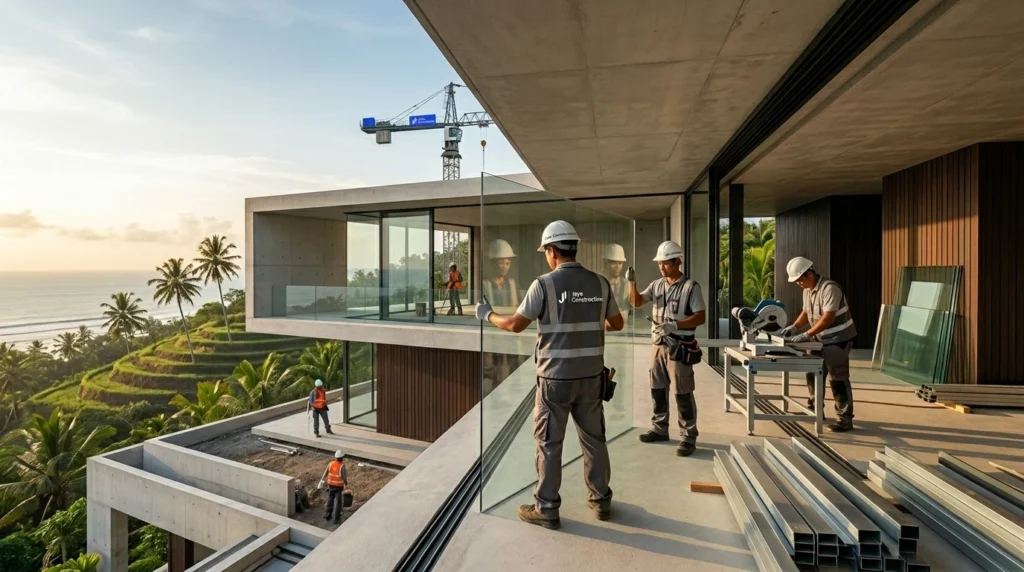
Joinery, Doors, and Windows:
This category is a major cost variable. The choice is between mass-produced, factory-made units (aluminum, PVC) and custom, hand-crafted items.
This is the overarching strategic decision that permeates every material selection.
Modern Bali is increasingly conscious of sustainability, and this has cost implications. Choosing sustainable materials often means a higher initial outlay but can lead to long-term savings.
The cost of your Bali build is not a fixed number waiting to be discovered; it is a dynamic outcome shaped by the cascade of material choices you make. There is no single “right” answer, only a series of trade-offs between initial cost, longevity, maintenance, aesthetics, and environmental impact.
The most financially prudent approach is to engage in a thoughtful, phased planning process. Work closely with an architect and builder who understand local sourcing. Differentiate between areas where investing in quality is non-negotiable (the structural frame, roofing, and main joinery) and areas where local, cost-effective materials can excel without compromising charm (flooring, non-structural walls, decorative elements). Consider the building as a 30-year investment, not just a two-year construction project.
By making material choices with a clear understanding of their full cost implications—moving beyond the sticker price to consider logistics, labor, and lifecycle—you can transform the dream of a Balinese villa into a financially sustainable reality. The most beautiful and soulful builds in Bali are often those that honor local materials and craftsmanship, proving that the smartest budget management can also yield the most authentic and enduring architecture.
Share your site, plans, priorities, or questions. Our team can help turn early information into a practical construction path.